




Back pain has become increasingly common, especially among people who spend long hours sitting, working on computers, driving, or using smartphones. But have you ever wondered whether some of your everyday habits are contributing to your back discomfort?
You might not notice it, but small daily activities such as sitting for prolonged periods, bending incorrectly, or avoiding physical activity can gradually contribute to back pain.
The good news is that identifying these habits and making a few lifestyle changes can help support better spinal health.
In this blog, we will explore 7 everyday habits that may be contributing to your back pain and what you can do to improve them.
1. Sitting for Long Hours Without Taking Breaks

One of the most common habits associated with back discomfort is prolonged sitting.
Whether you work in an office, study for hours, or work from home, staying in the same position for extended periods can increase discomfort and stiffness, particularly around the lower back.
What can you do?
- Take short movement breaks every 30–60 minutes.
- Stand up and walk around regularly.
- Change your sitting position throughout the day.
- Include gentle mobility exercises in your routine.
Remember, the goal is not to maintain one perfect posture all day but to keep your body moving.
2. Using Your Smartphone With Your Head Constantly Bent

Do you spend hours scrolling through your phone with your head tilted forward?
Looking down at your smartphone for extended periods can increase strain around the neck and upper back. Some people may also develop discomfort that spreads towards the shoulders and back.
What can you do?
- Hold your phone closer to eye level.
- Avoid staying in one position for too long.
- Take regular screen breaks.
- Perform gentle neck and shoulder movements.
3. Ignoring Your Core Muscles

Your core muscles help support your trunk and coordinate movement during everyday activities.
When your overall trunk strength and physical conditioning are limited, certain activities may become more demanding and uncomfortable.
What can you do?
Include appropriate strengthening exercises such as:
- Bird dog
- Dead bug
- Glute bridge
- Modified plank
Start with comfortable repetitions and gradually increase the difficulty according to your ability.
4. Bending Incorrectly While Lifting Heavy Objects
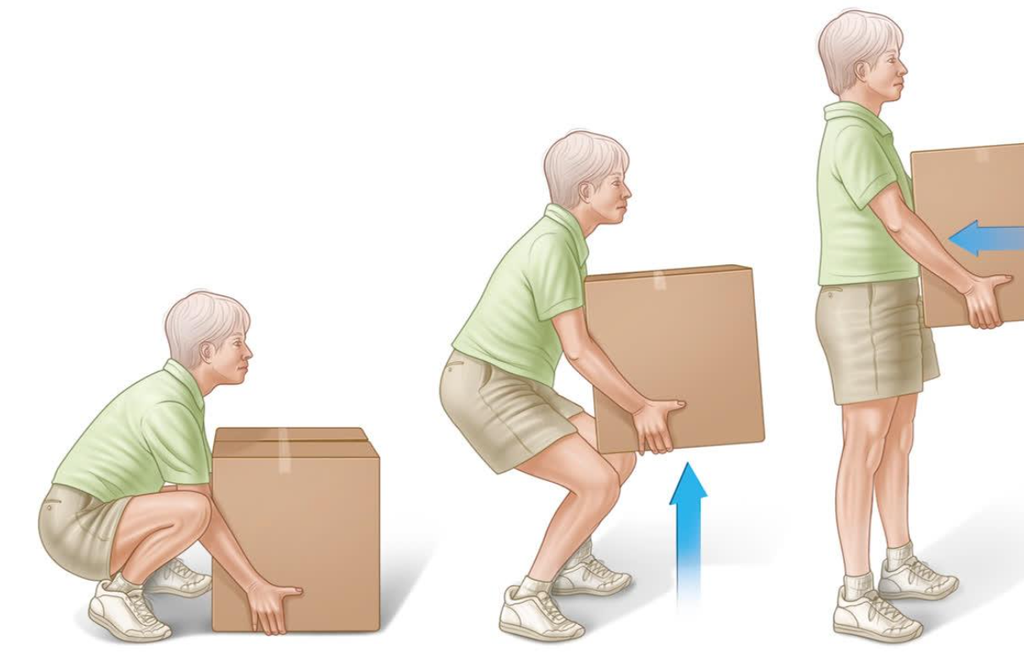
Picking up grocery bags, lifting water containers, or moving furniture are common daily activities.
Sudden lifting, twisting while carrying weight, or lifting loads beyond your current capacity may trigger back discomfort.
What can you do?
- Keep the object close to your body.
- Use your hips and knees to help lower yourself.
- Avoid sudden twisting while lifting.
- Ask for help with heavy or awkward objects.
Remember, lifting technique should be combined with appropriate strength and gradual exposure to physical activity.
5. Sleeping in an Uncomfortable Position

Your sleeping position may influence how comfortable your back feels when you wake up.
An uncomfortable mattress, unsuitable pillow height, or staying in one position for too long may contribute to morning stiffness or discomfort in some people.
What can you do?
- Choose a comfortable mattress that supports you.
- If side sleeping, try placing a pillow between your knees.
- If sleeping on your back, try a pillow under your knees.
- Avoid forcing yourself into a sleeping position that causes discomfort.
There is no single sleeping position that works perfectly for everyone.
6. Avoiding Physical Activity

When your back hurts, your first instinct may be to stop moving completely.
However, prolonged inactivity can reduce physical conditioning and make everyday activities feel more difficult.
For many people with common non-specific back pain, staying active within comfortable limits is more helpful than prolonged bed rest.
What can you do?
- Start with short walks.
- Try gentle mobility exercises.
- Gradually build your strength.
- Avoid activities that significantly worsen your symptoms.
If you experience severe or unusual symptoms, seek medical advice before starting an exercise routine.
7. Wearing Unsuitable Footwear for Long Periods

Footwear can influence your walking comfort and movement patterns.
Shoes that are uncomfortable, poorly fitting, or unsuitable for a particular activity may affect how you move. This can contribute to discomfort in the feet, legs, or back in some individuals.
What can you do?
- Choose comfortable, well-fitting footwear.
- Use shoes appropriate for your daily activities.
- Replace worn-out footwear when needed.
- Pay attention to how your body feels while walking.
How Can Physiotherapy Help With Back Pain?
If back pain is affecting your daily activities, physiotherapy can help identify contributing factors and develop an appropriate rehabilitation plan.
At PhysioPulse, Sector 47, Gurugram, physiotherapy care may include:
- Physical assessment: Understanding your symptoms, movement limitations, and physical capacity.
- Therapeutic exercises: Improving strength, flexibility, and movement control.
- Manual therapy: Used when appropriate to help manage pain and improve mobility.
- Posture and ergonomic guidance: Helping you make practical changes to your workstation and daily routine.
- Activity modification: Learning how to gradually return to your regular activities.
The treatment plan depends on the individual’s condition, symptoms, and assessment findings.
When Should You Consult a Physiotherapist or Doctor?
Occasional back discomfort may improve with movement and lifestyle changes. However, professional assessment is important if:
- Back pain keeps returning.
- Pain interferes with your daily activities.
- You experience persistent stiffness or restricted movement.
- Pain travels down your leg.
- Symptoms are getting worse despite self-care.
Seek urgent medical attention if back pain is accompanied by new bladder or bowel control problems, numbness around the groin or saddle area, or progressive leg weakness. Severe pain after an injury, fever, or unexplained weight loss also requires prompt medical evaluation.
Conclusion
Back pain does not always develop because of one major injury. Sometimes, several everyday habits may contribute to discomfort over time.
Long hours of sitting, limited physical activity, poor lifting habits, and unsuitable work setups can all play a role.
Start by making small changes: move regularly, strengthen your body, improve your workspace, and listen to your symptoms.
And remember, your back is designed for movement, not for staying in one position all day!
If back pain is affecting your routine, consult a qualified physiotherapist for an individual assessment and guidance.
Frequently Asked Questions (FAQs)
Prolonged sitting, lack of physical activity, incorrect lifting techniques, poor workstation ergonomics, and uncomfortable sleeping arrangements may contribute to back pain.
Yes. Prolonged sitting may contribute to lower back stiffness and discomfort, especially when you remain in the same position without regular movement breaks.
Walking, bird dog, glute bridges, dead bugs, and appropriate core-strengthening exercises can help improve physical conditioning and support back health. Exercise selection should depend on individual needs.
Maintaining one position for extended periods may contribute to discomfort. However, back pain is usually influenced by multiple factors, and there is no single perfect posture that prevents all back problems.
You should consider consulting a physiotherapist if back pain is persistent, keeps returning, restricts your movement, or interferes with daily activities.